Ir a:


Your Ultimate eSIM Guide for Stress-Free International Travel
Tired of hunting for local SIM cards or racking up roaming fees abroad? An eSIM for travel is a digital SIM built right into your phone, letting you buy and activate a local data plan online before you leave home. You simply scan a QR code or install an app, and within minutes you’re connected in your destination, keeping your main number untouched. It’s the simplest way to stay instantly online without swapping physical cards.
Switching to a digital SIM before your next trip eliminates the frantic search for a local vendor at the airport. You can activate a data plan instantly from home, ensuring connectivity the moment you land. This avoids the risk of losing or damaging a tiny physical card while fumbling with luggage. Instead of paying erratic roaming fees, you select a region-specific plan that often costs a fraction of the price. The real game-changer is managing everything from one app—topping up data or switching carriers mid-trip without visiting a store.
Forget juggling multiple plastic SIMs; a single digital profile keeps you linked across borders with zero downtime.
You arrive ready to map, translate, and share immediately, not after a frustrating setup.
Switching to a digital eSIM before travel eliminates the physical SIM swap; you no longer need to remove your home card or carry a fragile plastic chip. Your connectivity activates through a simple QR code or app download, meaning you retain your primary number for SMS while the eSIM China eSIM handles local data. Roaming delays vanish because the profile is pre-configured, and you can switch carriers instantly if signal fails, without visiting a store. The physical tray stays locked—you simply manage available data plans from your handset’s settings, changing your network in seconds rather than fumbling with tools.
Going digital changes the SIM from a physical chip you swap to a software profile you toggle, removing hardware handling and enabling instant carrier switching mid-trip.
The biggest pain points eSIMs solve on the road are the physical hassles of traditional roaming. You eliminate the frantic search for a local SIM card vendor upon arrival and the risk of losing or damaging your primary SIM. Instant connectivity upon landing ends the anxiety of being offline in an unfamiliar airport. No more juggling tiny SIM trays or paying exorbitant carrier roaming fees. You simply scan a code before you depart and switch networks digitally.

To use an eSIM for travel, first verify your phone’s compatibility. On iPhone, go to Settings > Cellular and look for an “Add eSIM” option. For Android, check Settings > Connections > SIM manager or search “eSIM” in settings. Alternatively, dial *#06#—if an EID number appears, your device supports eSIM. For definitive confirmation, visit your manufacturer’s official specs page under connectivity or SIM card details. Many newer models from Apple, Google, and Samsung support eSIM, but older or carrier-locked phones may not. Without eSIM, you cannot activate a travel eSIM profile; you would need a physical SIM instead.
For a quick eSIM compatibility test on an iPhone for travel, navigate to Settings > Cellular, then tap “Add eSIM.” If the option appears, your device supports it. On Android, go to Settings > Connections > SIM card manager; look for “Add mobile plan” or “eSIM.” Alternatively, dial *#06#—if an EID number displays, your phone is ready. Test with a free trial eSIM from provider like Airalo to confirm activation before departing.
Quick compatibility tests involve checking for an “Add eSIM” option in cellular settings or an EID in the IMEI menu on both iPhone and Android.
If your device is eSIM-ready but carrier-locked, you cannot activate a travel eSIM from a third-party provider until the lock is removed. Contact your original carrier to request an unlock, which may require completing a contract or paying off the device. Once the carrier unlock is processed, reboot your phone and add your travel eSIM normally from the provider’s app or QR code. For urgent travel, consider a physical SIM from a local operator or a global roaming plan from your current carrier. Never attempt unofficial unlocking methods, as they risk bricking your device or violating terms. Ensure your phone is unlocked before departure to use your eSIM seamlessly abroad.
You’re standing at a foreign airport, your usual carrier’s roaming notice flashing. Comparing eSIM providers for international travelers means weighing data allowances per dollar against network reliability in your specific destinations. I once compared Airalo and Holafly: Airalo offered cheaper 10GB for Japan but used a secondary tier network, while Holafly’s unlimited plan connected to Docomo consistently but throttled video streaming. Which provider should you pick if you need fast maps and WhatsApp in remote areas? Look for plans that specify “local carrier access” in your destination’s countryside, not just big-city coverage. That difference saved me hours lost in Kyoto’s outskirts. Always read recent user reviews for congestion speed, not just advertised GBs.
When comparing eSIM providers for travel, global coverage leaders like Airalo or Holafly offer pre-negotiated plans spanning dozens of countries, providing one-click activation and consistent pricing across continents. In contrast, regional specialists such as Yesim or Ubigi deliver superior speeds and lower costs by partnering directly with local carriers in specific areas, like Southeast Asia or Europe. The trade-off: global leaders prioritize convenience for multi-stop itineraries, while regional specialists excel in local network optimization for a single destination or tightly clustered region.
Choose global leaders for seamless multi-country travel; choose regional specialists for cheaper, faster coverage in a concentrated area.
For travel eSIMs, pay-as-you-go plans offer ultimate flexibility, letting you top up only when needed—ideal for unpredictable itineraries. In contrast, pre-paid data bundles lock in a fixed amount of data for a set price, often providing a lower per-GB cost for heavy users. Choose pay-as-you-go to avoid unused data expiring or pre-paid bundles for budget certainty. Travelers who mix short trips with long stays often find pay-as-you-go more economical for gaps between major data needs. Focus on your usage pattern to prioritize travel eSIM data value.

Local provider eSIMs beat international options when you stay in one country for a week or longer, as they typically offer deeper data allowances at a fraction of the cost per gigabyte. For example, a local Japanese eSIM might give you 20 GB for the price an international plan charges for 5 GB. They also provide a local phone number, which is crucial for verifying accounts with local services like ride-hailing or food delivery apps. This advantage diminishes, however, if you hop between nations every two days, as the savings per destination get eroded by multiple plan purchases. You also benefit from direct support from the local network, reducing troubleshooting delays if coverage drops in a specific region.
Getting your eSIM ready for travel is dead simple. First, buy a plan online from a provider like Airalo or Holafly, then check your email for a QR code. Open your phone’s settings, tap “Cellular” or “Mobile Data,” and select “Add eSIM.” Scan that QR code, label the plan (e.g., “Japan Data”), and set it as your data line while keeping your home number for calls. That’s it—activate just before you land. If you run into trouble, toggle the eSIM on and off or restart your phone. Your phone remembers which line handles data, so you won’t need to touch settings again. No SIM swapping, no store visits, just scan and go.
To install an eSIM for travel, purchase the profile directly from a provider’s website or app before your trip. After payment, you receive a QR code or confirmation link via email. Open your phone’s settings, navigate to “Mobile Network” or “Cellular,” then select “Add eSIM.” Scan the QR code displayed on your computer or screenshot; the profile downloads automatically, often without a Wi-Fi requirement. Activation occurs upon arrival, syncing with local networks. Ensure your device is unlocked and eSIM-compatible. Store the original QR code copy in cloud storage as a backup in case of accidental deletion.
Activating data on arrival without scrambling is all about pre-installing your eSIM before you fly. Once you land, simply turn on cellular data and enable the eSIM line—no Wi-Fi or frantic scanning of QR codes required. The moment your plane’s wheels touch down, your connection kicks in automatically. This setup eliminates the panic of finding public Wi-Fi in an unfamiliar airport. Just pop into your phone’s settings, switch the new line on, and you’re live. Roam like a local from the gate to baggage claim with zero fumbling.
Q: What if my data doesn’t activate right after landing?
Quick fix: toggle Airplane Mode on and off, then verify the eSIM’s data roaming is enabled in your settings—your connection usually fires up within seconds.

For multi-destination trips, managing multiple eSIM profiles begins by storing each regional profile in your device’s SIM manager, labeling them with destination names for clarity. Before departing, activate the profile for your first destination and disable others to prevent accidental data roaming charges. Upon arrival, simply toggling between preloaded eSIM profiles—rather than scanning new QR codes mid-trip—ensures seamless connectivity. Deactivate the previous profile once you cross a border, then enable the next region’s profile from settings. This eliminates the need to swap physical SIMs or reconfigure APNs, keeping your connection stable across multiple countries.
Using an eSIM for travel is a direct path to saving money through smart data choices. Instead of paying exorbitant daily roaming fees or hunting for fragile free Wi-Fi, you pre-purchase a local or regional data plan before you depart. This eliminates surprise bills and lets you compare plans from multiple providers instantly. The real win is choosing a plan with only the data you need; you can top up mid-trip if you run low, rather than overpaying for an unlimited package you never fully use. By skipping physical SIM costs and controlling your consumption goal by goal, your data spend becomes predictable and dramatically lower.
Avoiding roaming fees while keeping your connection blazing fast comes down to choosing the right local or regional eSIM data plan. Instead of your home carrier’s expensive daily passes, you can toggle off cellular data for your primary SIM and activate a local eSIM profile for high-speed travel. This sidesteps pricey international swipes entirely, letting you hop onto local networks at full 4G/5G speeds. Many eSIM providers now offer “turbo” tiers that prioritize low-latency connections, so loading maps or streaming video feels instantaneous, not throttled. The trick is selecting a plan with generous high-speed data caps, not just a cheap but slow budget option.
Analyzing your past connectivity behavior is the first step in matching data caps to your real usage habits for travel eSIMs. Review the typical activities you perform abroad: heavy streaming demands a 5GB+ plan, while navigation and messaging often require under 1GB weekly. By calculating your average daily consumption from previous trips, you avoid paying for unused high-tier allowances or incurring overage fees on a cap that is too restrictive. This tailored approach ensures you select a package with a ceiling that precisely covers your actual needs, maximizing cost-efficiency by only purchasing the bandwidth you reliably consume.
When your data starts running low mid-trip, don’t panic—just use these easy eSIM top-up tricks. Most providers let you buy extra gigabytes directly through their app, often with instant activation, so you’re never stuck hunting for a store. Scan for smaller, cheaper add-on bundles instead of renewing your whole plan. You can also top up just a few extra days instead of a full week if you’re heading home soon. Another trick: check if your provider offers a “data rescue” tier—sometimes 1GB costs less than a coffee, keeping you connected without overspending.
A key pitfall when using an eSIM for travel is failing to verify device compatibility before departure, as many older phones or carrier-locked models lack eSIM support. Another common error is disabling the primary physical SIM to avoid roaming fees, which can block essential SMS for banking app verifications. Users often struggle with incorrect APN settings for data access; always input the travel eSIM provider’s exact APN manually if auto-configuration fails. A critical mistake is assuming the eSIM activates instantly upon landing—if no signal appears, toggle airplane mode or manually select the eSIM’s network in carrier settings. Q: “Why does my eSIM show ‘No Service’ when I arrive?” A: This usually happens because your phone hasn’t completed a forced network scan; go to Settings > Cellular > Network Selection and choose the local operator manually.
When traveling, losing signal with an eSIM can leave you stranded without maps or ride-hailing. To regain connectivity, instantly purchase a local data eSIM from a provider like Airalo or Holafly, which activates within minutes. For a local number, install a dedicated eSIM like Google Fi or DENT that offers a native line for calls and SMS. If you only need inbound verification codes, a free US or UK number from apps like TextNow can suffice without a second eSIM. Protect your main eSIM profile to avoid accidental deletion during troubleshooting.
Many travellers believe an eSIM inherently drains battery faster, but this is a myth—modern eSIMs use negligible power compared to a physical SIM’s constant radio scanning. The real culprit is aggressive background app refresh and incessant network searching when roaming. To conserve power, proactively disable data for non-essential apps and manually select a local network in settings rather than letting your phone hunt. Toggling airplane mode overnight stops futile signal-seeking. A simple, overlooked tip: lock your phone to 4G LTE instead of 5G, as the newer network often demands more energy for marginal speed gains on trips.
If your eSIM won’t activate, have a backup eSIM plan ready on a different provider’s app—download it before you travel. Alternatively, keep a physical SIM from a local carrier or an international roaming pack. Save offline copies of your activation QR codes and instructions. If the network is dead, use airport or hotel Wi-Fi to troubleshoot or redeem a backup eSIM voucher. Lastly, stash a tiny prepaid SIM card in your wallet as a failsafe.
Always carry a second eSIM or physical SIM to avoid being stranded without data when activation fails.
Going SIM-free with an eSIM for travel dramatically boosts your security by eliminating the physical SIM card that can be stolen, lost, or cloned from your device. You avoid the risky process of buying local SIMs from unknown vendors, which often involves handing over your passport and personal data to potentially insecure kiosks. Instead, you install carrier profiles remotely via encrypted channels, giving you full control over your digital identity. If your phone is stolen, you can instantly delete the eSIM profile remotely, preventing fraudsters from using your number. This digital separation from physical hardware means your travel connectivity exists as a secured, deletable file rather than a tangible liability. Your primary home number remains isolated from temporary travel networks, reducing exposure to local data leaks.
When traveling, a physical SIM card is a tiny, valuable target for thieves. eSIMs eliminate this risk entirely since there’s no card to snatch from your device or wallet. With an eSIM, your mobile profile exists digitally, so a pickpocket can’t steal your connection or access your account by swapping the card. Even if your phone is stolen, your eSIM can be remotely wiped or deactivated, keeping your travel data and local number secure.
This makes eSIM security for travelers a practical upgrade over fragile plastic cards.
Traditional roaming often encrypts data between your phone and the home network, but once handed off to a foreign carrier, that chain can weaken, exposing your traffic to third-party infrastructure. eSIM sidesteps this by using direct carrier-grade encryption from device to home network, bypassing local middlemen entirely. This means your session keys are never shared with a roaming partner, reducing the surface for interception or man-in-the-middle attacks. For travelers, this creates a tighter, more private tunnel—your data stays encrypted end-to-end without the handshake vulnerabilities of plastic SIM roaming.
Q: How does eSIM encryption differ from traditional roaming in a real-world travel scenario?
A: eSIM encrypts your connection straight back to your home provider, while traditional roaming often decrypts and re-encrypts through a foreign carrier’s servers, creating potential weak points in transit.
For frequent flyers, an eSIM eliminates the frantic airport hunt for local SIMs between tight connections. Real-world scenarios like landing in Tokyo for a 4-hour layover or hopping between three European capitals in a week become seamless. You land and are instantly connected, allowing you to update your itinerary, navigate unfamiliar terminals, and confirm hotel check-ins without delay. The key insight is that an eSIM transforms travel logistics from a chore into frictionless continuity.
You stop wasting time buying and swapping plastic SIMs in every new country, turning wasted downtime into productive or relaxing travel time.
This is especially critical when you need to work remotely during a flight delay or coordinate a last-minute Uber from a crowded baggage claim.
Long-term nomads require flexible, renewable data plans that span months across multiple countries, prioritizing uninterrupted connectivity and the ability to top up without re-purchasing. Short vacationers, by contrast, need pre-paid packages with specific validity (e.g., 7 or 14 days) focused on navigation and social sharing in a single destination. This divergence shapes practical eSIM choice:
Both groups demand instant activation, but their usage patterns—steady streaming versus intensive short bursts—dictate entirely different plan architectures.
For frequent flyers, using eSIM for dual-SIM setups with a home number means your physical SIM stays active for your primary line, while an eSIM handles data abroad. This keeps your home number reachable for calls and SMS via Wi-Fi calling or call forwarding, avoiding roaming fees. You can toggle data between the eSIM and physical SIM in settings to manage costs, ensuring your home number remains tied to your primary carrier without swapping cards. Dual-SIM management apps help streamline switching profiles for different destinations.
Using eSIM for dual-SIM setups with a home number lets you keep your primary line active on a physical SIM while using a travel eSIM for data, preventing missed calls and avoiding physical card swaps.
For layovers and connecting flights, a digital SIM avoids the need to swap physical cards between countries. You can pre-activate a regional plan covering all stopover nations, ensuring immediate connectivity upon landing. The eSIM automatically switches to the local network for your layover duration, even during short transitions. For multi-leg journeys, you can stack a global plan with separate local data packs; the eSIM’s software intelligently prioritizes the active profile based on your current location. This eliminates manual reconfiguration during tight connections, providing seamless roaming across transit hubs without service gaps.
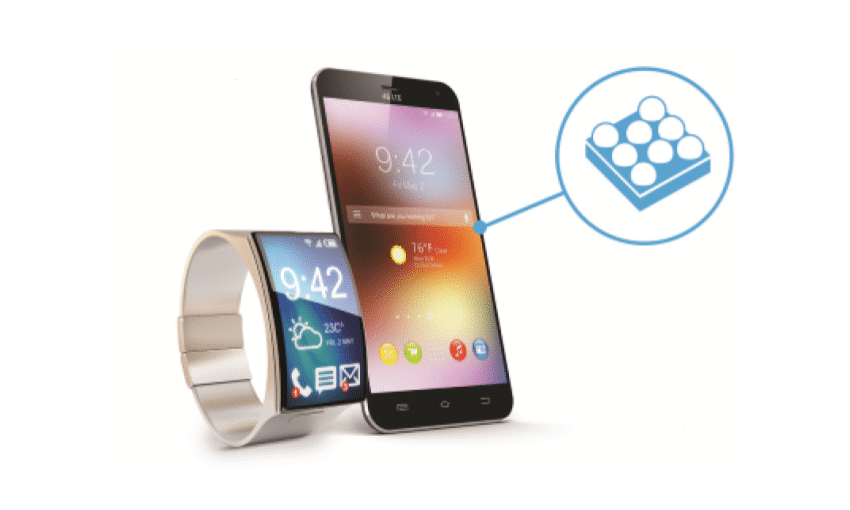
The next leap beyond the SIM card is fully embedded connectivity within the device itself, eliminating any need for manual eSIM activation before a trip. Travelers will soon land in a new country and have instant, automatic network switching, with the device negotiating the best local rates without any app interaction. This shifts the focus from «installing a plan» to simply arriving and being online. A key evolution will be the integration of permanent, global data pools that follow your phone number across continents, making «travel mode» obsolete. Your phone becomes the passport for connectivity, not a separate SIM slot. What changes is the burden of pre-planning shifting entirely from the user to the device’s built-in service logic.
Upcoming eSIM innovations like multi-network switching will let your device automatically hop between local carriers mid-trip to grab the strongest signal. Instead of manually selecting a network, your eSIM profile dynamically scans and reroutes data to avoid dead zones during travel. This sequence typically occurs: first, the eSIM detects packet loss or weak signal; second, it polls available local carriers; third, it hands off without dropping the active connection. For travelers, this means fewer dropped video calls or lost map navigation in remote areas, as the eSIM independently manages the best link per location rather than sticking to one partner.
Satellite or Wi-Fi roaming might replace data plans once they offer seamless, cost-effective integration with eSIM profiles. Currently, eSIMs rely on cellular networks, but direct-to-device satellite connectivity could become a practical backup for remote areas where no terrestrial signal exists, eliminating the need for a separate satellite data plan. Likewise, automated Wi-Fi roaming via eSIM—using pre-negotiated hotspots—could handle urban connectivity without a traditional SIM, triggering a data session only when Wi-Fi is available and secure. For travelers, this shift means paying only for momentary access, not monthly subscriptions. However, satellite data speeds remain too slow for streaming, limiting replacement to messaging and navigation for now.